Homeowner Tips & Seasonal Guide
Fall Home Maintenance Checklist for Virginia Beach
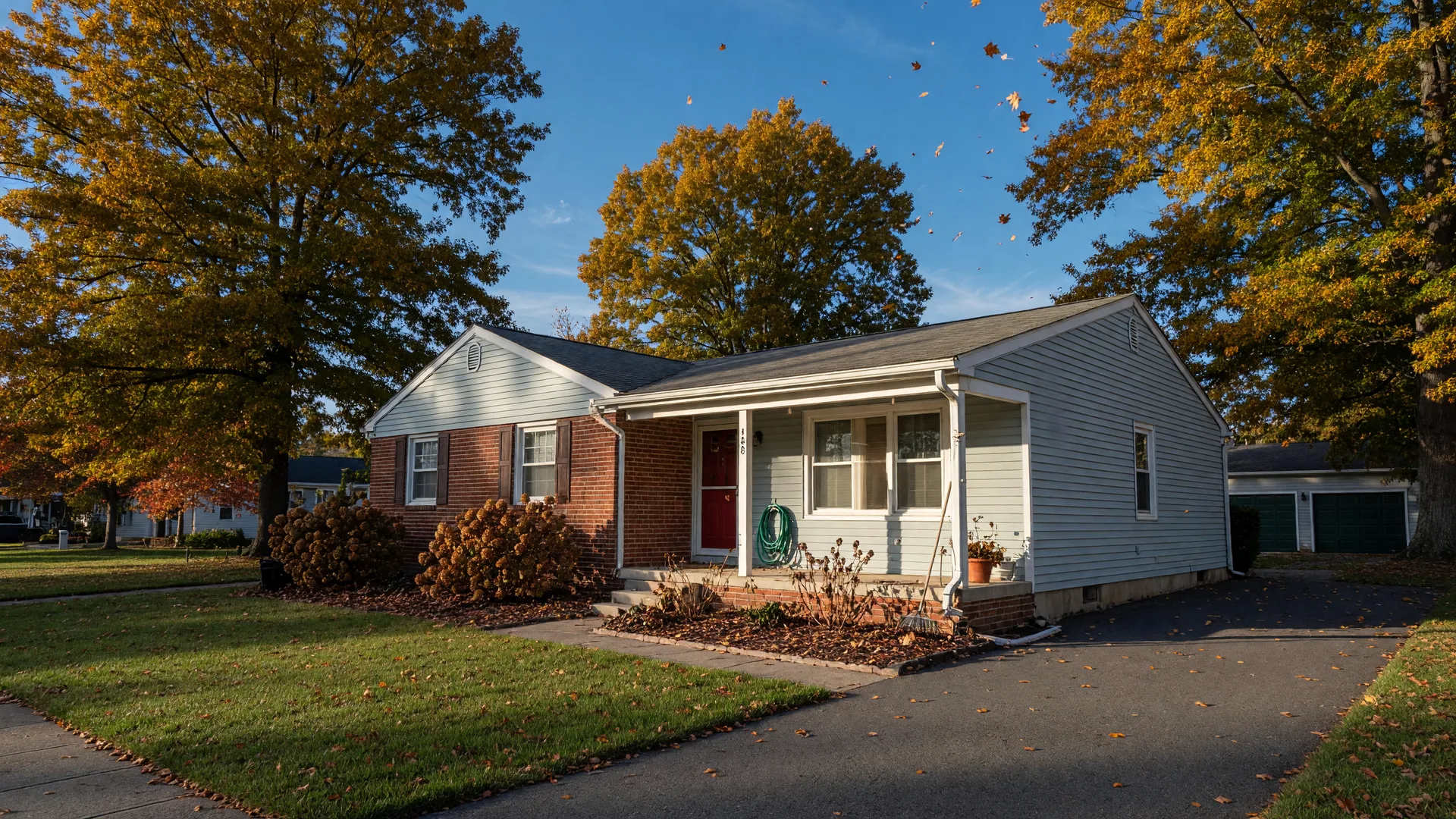
This is the month to winterize your Virginia Beach home, and this guide is the checklist I hand to my own neighbors. October is that sweet spot in Hampton Roads: the worst of hurricane season is behind us, the leaves are turning, and we still have a few weeks of warm weather before the first frost. A Saturday of work now saves you a wet ceiling, a frozen pipe, or a cold house in January. None of this takes a contractor unless you want one, and most of it is an afternoon of your own time. Let's get the house buttoned up.
Why October Is the Month to Do This
Our winters are mild by most standards. January highs in Virginia Beach hover around 50 degrees, overnight lows sit in the mid-30s, and hard freezes and heavy snow are the exception, not the rule. But notice the word freeze. On average our first frost lands somewhere between mid-November and early December, depending on which part of the city you are in: a little earlier inland toward neighborhoods like Diamond Springs, closer to December right at the oceanfront. The freeze date is the hard deadline for anything involving water: hoses, irrigation, and exterior faucets. Do it in October while the spigots still work easily and the ground is dry, and you will not be cursing a frozen valve in late November.
Clean Gutters and Move Water Away From the House
Fall in Virginia Beach means the oaks and maples let go, and most of those leaves land in your gutters. A gutter full of leaves sends rainwater spilling over the edge, right against the foundation, and on a house with a slab or a low crawl space, that water finds a way in. So start here:
Give Your Heat Pump a Fall Checkup
In this climate your heat pump is a year-round workhorse. It cooled the house all summer and now it has to flip over and heat it, and the changeover is exactly when problems show up. Two things I tell every homeowner:
Shut Off Outdoor Water Before the Freeze
This is the one most people forget until it is too late, and a burst pipe is the most expensive item on this list. Here is the sequence at my own house:
Seal the Drafts and Close the Doors to Critters
Fall is when Hampton Roads gets its first chilly evenings, and it is also when mice decide your house is the best winter rental in the neighborhood. Both problems get fixed the same way: walk the envelope of your home and close every gap.
Trim Branches Before the Winter Winds
The September storm checklist is about hurricanes, but we get a different wind season after it: the nor'easters that blow through Hampton Roads from fall into early spring. They rarely make the news the way a hurricane does, but they can drop a weak limb on a roof, a car, or a fence just the same.
If you worked through my September hurricane prep checklist and trimmed the worst of it then, this is a quick look instead of a project.
Stock a Small Winter Kit for the Ice Events
People in Virginia Beach hear the word snow and laugh, and fine, we do not get much. But we do get ice. A winter storm here usually means a coating of freezing rain that turns the streets into a sheet, and ice is what takes down trees and knocks out power. You do not need a go-bag the size of a hurricane kit, but keep these in one place:
If You Are Selling This Fall or Winter
One more reason to do this list now: October is a strong window to sell in Hampton Roads. The buyers who are out looking in the fall are serious, and a house that shows well in winter, with clear gutters, trimmed trees, and no drafts, reads as a house that was cared for. The prep that protects your home also protects your sale. If a winter listing is on your mind, my selling guide for Virginia Beach and Hampton Roads walks through pricing, staging, and the fixes that actually pay back, and I am happy to walk your property and tell you straight what pulls its weight and what does not.
The Bottom Line
Winterizing a Virginia Beach home is not a project, it is a Saturday. Gutters, a heat pump check, outdoor water shut off, a few tubes of caulk, a look up at the trees, and a small kit in the closet. Every one of those items costs a few dollars before December and can cost real money after it. I grew up here, I know these neighborhoods, and I know exactly what a Hampton Roads winter does to a house that was not ready. I have got you. Go grab the bucket and the gloves this weekend, and if you want a hand figuring out any of it, or what the work means for your home's value, reach out. Talk soon!
Need a Hand Getting Your Home Winter-Ready?
Whether you are preparing to sell, thinking about buying, or just want a straight answer about your home, I give practical advice backed by 24+ years in this market.
Contact Terry TreXler