Buying Guide
Home Inspection Checklist for Virginia Beach: What Buyers Should Check
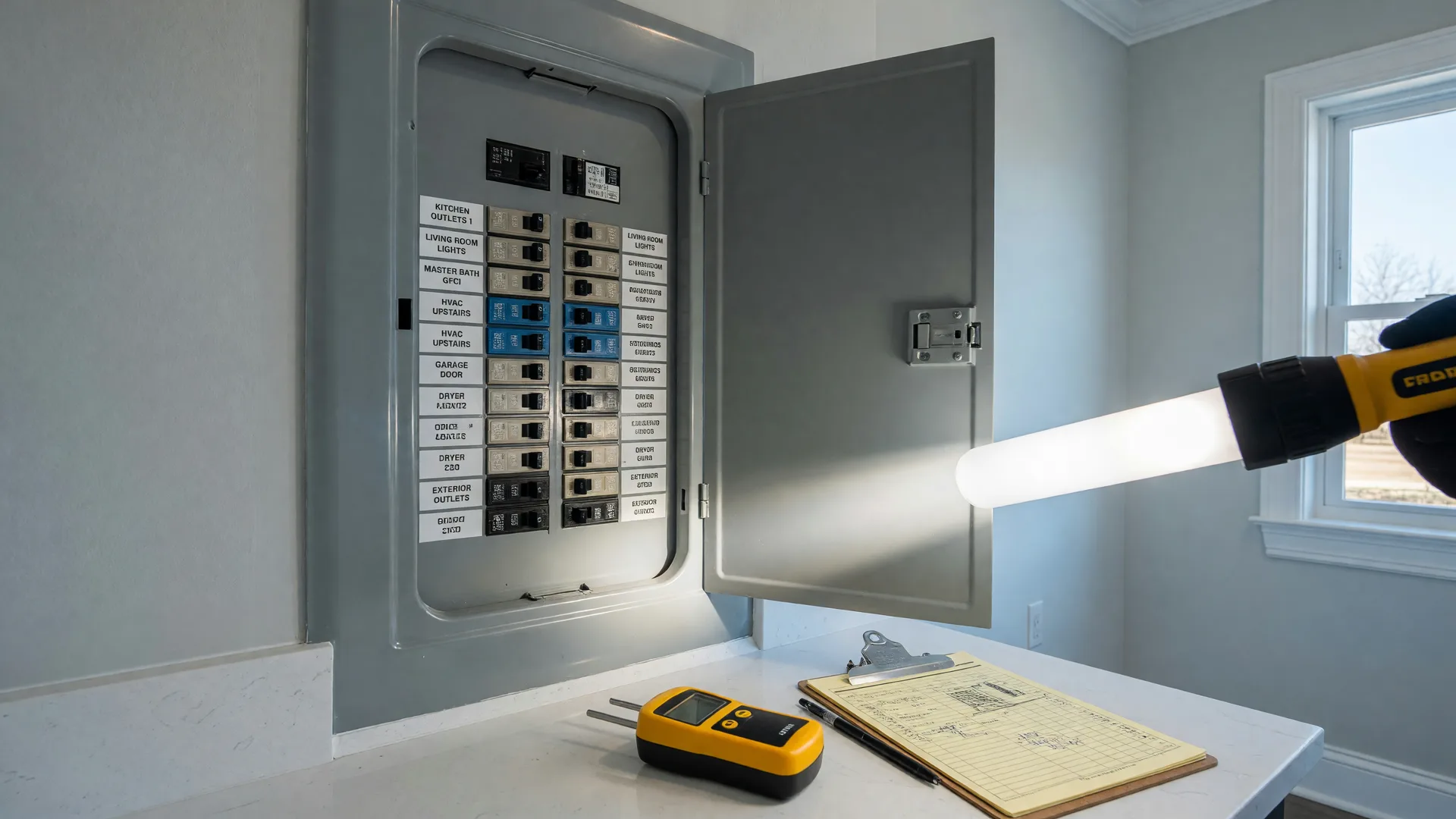
A home inspection tells you what you are actually buying before you commit. In Virginia, a standard inspection of a single-family home typically costs $400 to $550, and the report can save you thousands. As a Virginia Beach real estate agent with 24+ years in this market, I sit through these checklists every week with buyers. Here is what to look for, and what actually moves the needle when buying a home in Virginia Beach.
What a Licensed Virginia Inspector Checks
Virginia requires home inspectors to be licensed, and the inspection itself is a non-invasive, visual examination of the readily accessible parts of the house. Your report will cover the heating and cooling systems, plumbing, and electrical, plus the roof, foundation, chimney, attic and crawlspace, exterior drainage, windows, and appliances, along with wells or septic systems where they exist. The report must show the inspector's name and license number. A good inspector is thorough without being alarmist: they document what is there so you can make a clear-eyed decision with your Virginia Beach realtor.
The Virginia Contract Gives You a Short Window
Most purchases in Virginia use the Virginia REALTORS Home Inspection Contingency Addendum, which sets a deadline, usually 7 to 14 days after ratification and often about 10 days. Before that deadline you have three choices: accept the property as-is, submit a written list of material defects you want addressed, or terminate the contract. You generally cannot back out later over cosmetic fixes, so use the window while you have it. That means scheduling the inspection the day after your offer is accepted, not at the last minute, especially if you are touring homes for sale in Hampton Roads and comparing several properties at once. If you are weighing whether a finding lets you walk away, my post on backing out of a home purchase in Virginia breaks down the rules.
The Coastal Checks That Matter in Virginia Beach
Some findings show up in Hampton Roads more than anywhere else I have worked. Check the flood zone and the drainage first: how water moves across the lot matters in a coastal city. Look for signs of moisture in the crawlspace, and corrosion on HVAC coils and electrical panels, which salt air accelerates. Ask the age of the roof and whether the windows are impact-rated or have storm protection. For the full picture on the insurance side, my guide to flood zones in Virginia Beach covers what buyers need to understand before they commit to a property.
What to Do With the Findings
Rank the findings. Structural, roof, HVAC, electrical, and plumbing issues are the material items worth negotiating. Cosmetic wear, paint, and dated finishes are not. If a major system is near the end of its life, ask the seller to repair it, credit you at closing, or adjust the price. Most sellers in this market want the deal to close, and a reasonable, documented request gets a reasonable response. If we get to an impasse, the contingency gives you an exit, but in more than two decades the conversation has settled far more deals than it has killed.
Every home has imperfections. The question is which ones you can live with and which ones cost you money. I've got you. My guide to buying in Virginia Beach walks you through the process from offer to keys, and I will be standing next to you at the inspection, translating every line of the report. Talk soon!
Get an Agent Who Reads Inspection Reports
I'll help you separate the fixable from the deal-breakers. Call or text 757-255-8739, or reach out through the contact page.
Talk to Terry