Buying Guide
What to Expect During a Home Inspection in Virginia
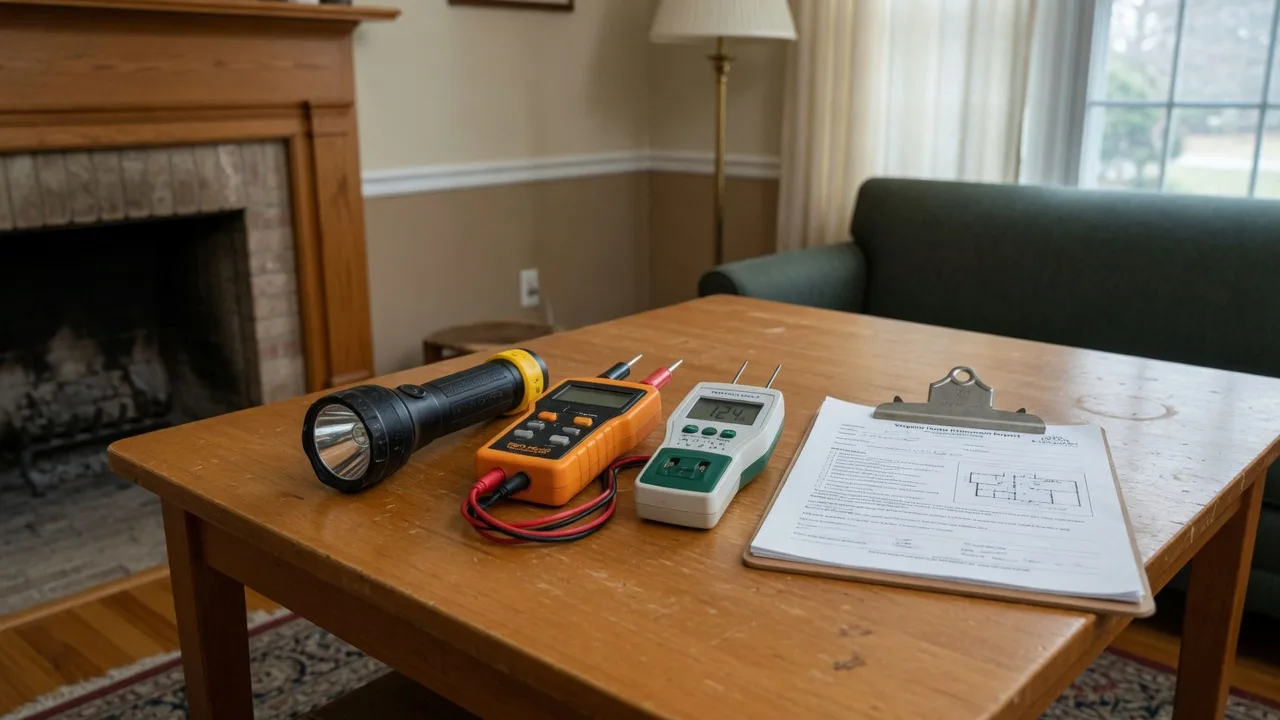
A home inspection is an evaluation of a home's condition, not a pass-fail test, and in Virginia it is usually the buyer's chance to understand exactly what they are buying before the deal is final. Most inspections take two to three hours and cover the major systems of the house, from the roof to the foundation. Here is what you should actually expect, whether you are buying your first home or your fifth in Virginia Beach.
What the Inspector Checks
A licensed Virginia inspector works through the home top to bottom: the roof and attic, gutters and flashings, exterior siding and grading, windows and doors, electrical panels and outlets, heating and air conditioning, plumbing and water heater, and the foundation and crawlspace. They test the appliances that stay with the home and check for safety issues like exposed wiring, plumbing leaks, and moisture problems. Roadblocks and fire hazards get flagged in the report, even if the home is generally fine.
In coastal Hampton Roads, I also tell buyers to pay attention to the coastal checks: drainage around the foundation, sump pumps, and whether the home sits in a flood zone. If the property is near the water, flood zone and insurance questions belong on your list long before the inspection day.
What It Costs in Virginia
A standard single-family inspection in Virginia typically runs about $400 to $550, with most homes falling between roughly $325 and $700 depending on size, age, and location. Add-on tests cost extra: a radon test usually runs about $95 to $150, and a termite or wood-destroying insect inspection is often requested by lenders. These are small numbers compared to the protection they buy, and they are almost always worth it.
Should You Be There?
Yes, plan to be at the inspection if you can. Inspectors will walk you through what they find, and you can ask questions in real time about the age of the roof, how the systems work, and which issues are serious versus routine maintenance. The written report arrives afterward, but the walkthrough is where you learn the most. It is the best few hours you will spend before buying a home in Virginia Beach.
How to Use the Report
No home is perfect, and almost every inspection turns up something. Your agent's job is to help you separate the serious issues from the cosmetic ones and negotiate accordingly. Major defects like a failing roof, active leaks, or electrical hazards are grounds to ask the seller for repairs or a credit. Small items, like a dripping faucet or worn outlet covers, are usually maintenance you simply take on. What matters is knowing which is which before you remove contingencies.
A good inspection protects your purchase, and a good agent protects your position in the negotiation. If you are looking at homes for sale in Virginia Beach neighborhoods, work with someone who has seen hundreds of inspections and knows what to push for and what to let go.
Buying a Home in Virginia Beach?
With 1,000+ transactions behind me, I know how to read an inspection report and negotiate the repairs that matter.
Talk to Terry