Buying Guide
Red Flags When Buying a House in Virginia
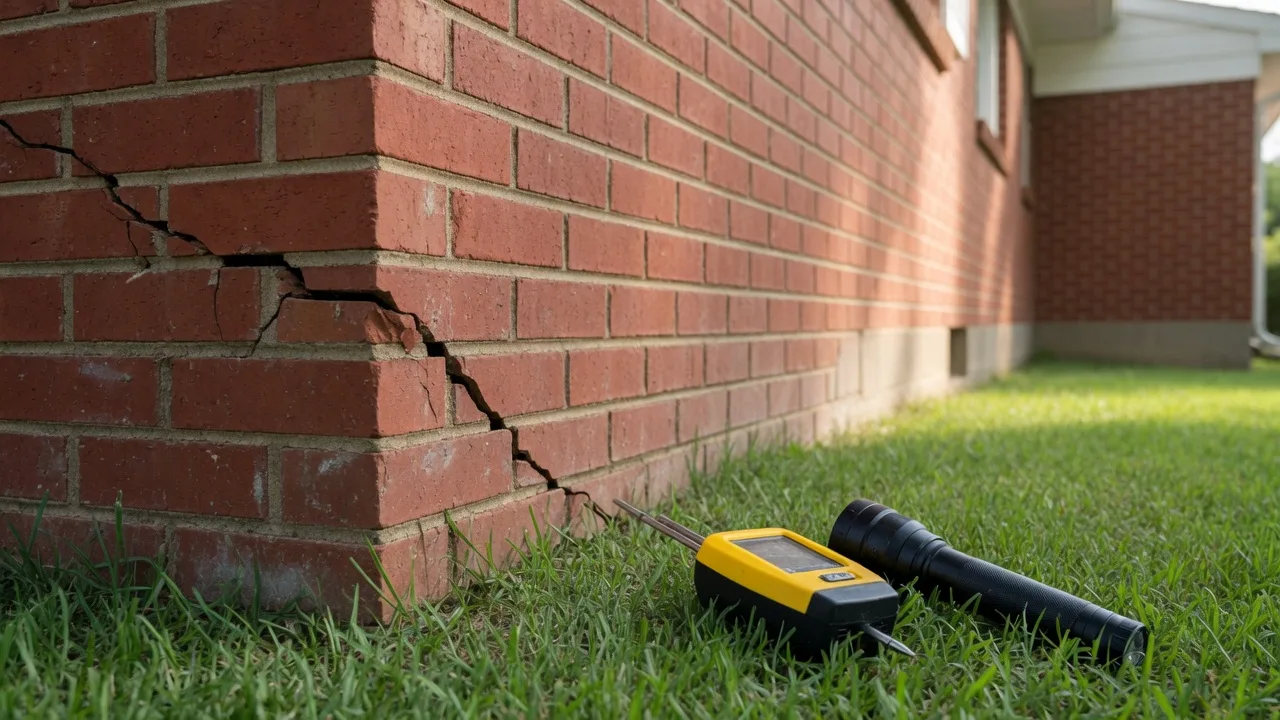
Every home hides something, and the smartest buyers know the difference between a cosmetic flaw and a costly problem. After 24 years as a real estate agent Virginia Beach buyers and sellers trust, I have walked hundreds of buyers through inspection reports. These are the red flags that matter most when buying a home in Virginia, especially in the Tidewater region where heat, humidity, and flood risk do their own damage.
Foundation and Structural Issues
Not every crack is a dealbreaker. Hairline cracks in brick veneer are common in Virginia's clay soil and often harmless. The red flags are the big ones: diagonal stair-step cracks in block foundations, floors that slope, doors that stick, and windows that no longer close. If you see water staining in a crawlspace or basement, that tells you drainage has been failing. A structural engineer's opinion is worth a few hundred dollars when a foundation concern shows up, because repairs can run into the tens of thousands.
Roof and HVAC Age
The two most expensive systems in the house are the roof and the HVAC, and both have a predictable lifespan. Asphalt shingle roofs typically last 15 to 25 years, on the shorter end in a coastal climate like Virginia Beach because heavy rain and wind shorten their life. Heat pumps, the standard here, generally last 12 to 18 years. A roof over 20 years old, or an HVAC unit near or past 15, means a replacement is coming soon, and that is a legitimate negotiation point. I always ask for the age, the maintenance records, and the permit history before an offer.
Electrical and Plumbing
Older homes in Hampton Roads were built with technology that cannot handle today's loads. Knob-and-tube wiring in 1940s and 1950s homes, undersized panels, and ungrounded outlets are all red flags that mean an upgrade before you move in. On the plumbing side, watch for cast iron drain lines and galvanized supply pipes, both past their useful life. Low water pressure, slow drains, and water stains under sinks point to leaks. None of these are instant dealbreakers, but they should all be priced into your offer.
Termites and Moisture in Tidewater
Tidewater Virginia sits in the highest termite activity zone in the state, so this region gets special attention. Mud tubes along the foundation, shed wings on windowsills, and hollow-sounding wood are the classic signs. Most lenders, especially VA and FHA, require a termite inspection on a standard form, and in this market I recommend one on every purchase regardless. Fresh termite treatment and a bonded warranty solve the problem, but an active infestation should never be ignored.
Flood and Disclosure Risk
In Virginia Beach and the surrounding cities, flood risk is a fact of life, not a surprise. Check the FEMA flood zone before you fall in love with a house, because it affects both insurance cost and resale. Sellers in Virginia must complete a property disclosure statement, and it is worth reading carefully and comparing to what the inspector finds. Our flood zone guide walks through the zones and what they mean for buyers, and the buying guide covers the full process from search to settlement.
A good home inspection is your best protection, and it should look at the crawlspace, the attic, plumbing penetrations, and the roof from the ground up. We have a detailed home inspection checklist covering exactly what to check before you commit. If you are shopping the Virginia Beach neighborhoods, remember that red flags are not always reasons to walk away. They are reasons to negotiate, to budget, and to buy with your eyes open.
Found a House With a Few Red Flags?
I have negotiated repairs on more contracts than I can count. Tell me what the report says and I will tell you what it is worth.
Talk to Terry